 Marble
 Granite
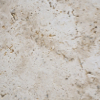 Travertine
 Quartzite
 Porphyry
 Onyx
Onyx Slate
Slate Limestone
 Sandstone
 Basalt
 Jura Marble
Materials
Travertine
Travertine Mediterranean Warmth
Travertine is a sedimentary limestone formed at hot springs, distinguished by its warm, earthy colouring and characteristic, naturally occurring pores. It has been prized for prestigious buildings since antiquity – from historic facades to modern floors and terraces. At CAMT you can source travertine from select quarries in Italy and Turkey – as a raw slab, cut to size, or fully finished for your project.
Properties of Travertine
Travertine is unmistakable for its natural pore structure: filling the pores with resin or cement creates a closed, polishable surface, while the unfilled, open-pored variant has a particularly rustic, tactile feel. With medium hardness, it is easy to work and equally suited to floors, walls and terraces.
As travertine is porous, regular sealing is recommended to prevent staining from oil, wine or fruit acid. Outdoors, a frost-proof laying method is important – we're happy to advise you at the CAMT showroom in Riesa on the right stone for your project.
| Origin | Italy (Lazio), Turkey |
|---|---|
| Hardness | 3–4 Mohs, medium-hard |
| Colour spectrum | Beige, ivory, walnut, silver-grey |
| Surfaces | Filled & polished, unfilled, brushed, tumbled |
| Formats | Slabs, tiles, custom cuts |
| Maintenance | Medium – sealing recommended |
Applications for Travertine
Flooring
Large-format travertine floors give interiors a warm, Mediterranean atmosphere.

Wall Cladding
As wall cladding, travertine's open-pored structure creates a natural, lively accent.

Terraces & Outdoor Areas
Laid frost-proof, travertine is a classic choice for terraces, pool surrounds and garden paths.

Bathroom & Washbasins
Filled and polished, travertine becomes an elegant, closed surface for washbasins and bathroom cladding.
Stairs
Tumbled or brushed, travertine offers a pleasantly tactile surface on stair treads.
Pros & Cons
Pros
- Warm, earthy tones with a natural, lively structure.
- Pleasantly slip-resistant in its unfilled, open-pored finish.
- Versatile – from historic to modern architecture.
- Easy to work thanks to medium hardness – also suited to custom shapes.
Cons
- Porous structure requires regular sealing.
- Unfilled surfaces can trap dirt in the pores.
- Acid-sensitive – avoid contact with citrus fruit or vinegar.
- Ensure frost-proof laying when used outdoors.
Surfaces – From Rustic to Polished.
The surface finish determines the look, feel and slip resistance of your travertine – we'll advise you on the right choice for your project:
- Filled & polished – A closed, glossy surface for prestigious interiors.
- Unfilled – Open-pored and rustic, with a particularly natural look.
- Brushed – Lightly textured, emphasises the stone's natural pattern.
- Tumbled – Antique-looking, rounded edges and a tactile surface.
Care – How Travertine Stays Beautiful.
Travertine is a calcareous, porous natural stone and is sensitive to acids. With the right care, however, its warm look will last for decades:
- Clean only with pH-neutral cleaners specifically suited to natural stone.
- Regular sealing protects the porous surface from stains.
- Wipe up spilled acids promptly to avoid dulling the surface.
- Outdoors, ensure frost-proof laying and regular joint maintenance.
Travertine Impressions

Frequently Asked Questions about Travertine
The price depends heavily on the type of travertine, origin, format and surface finish. We're happy to prepare an individual, no-obligation quote – contact us with your project details.
Yes, unfilled travertine with a slip-resistant surface is excellently suited to terraces and pool areas – frost-proof laying is essential.
Filled travertine has closed, polished pores and looks prestigious; unfilled travertine retains its open-pored, rustic structure.
Use only pH-neutral cleaners, seal the surface regularly, and avoid contact with acids.
We work with renowned quarries in Italy and Turkey.
Yes. On our CNC-controlled machinery in Riesa, we cut travertine to the millimetre according to your measurements – from one-off pieces to series production. More on our Cutting page.


Your Travertine Project with CAMT
From sample selection to installation – we'll guide you personally. Get in touch with us.